How Pottstown Auto Repair Delivers Quality Workmanship
Premier Auto Repair Tips: How to Keep Your Vehicle Running Smoothly
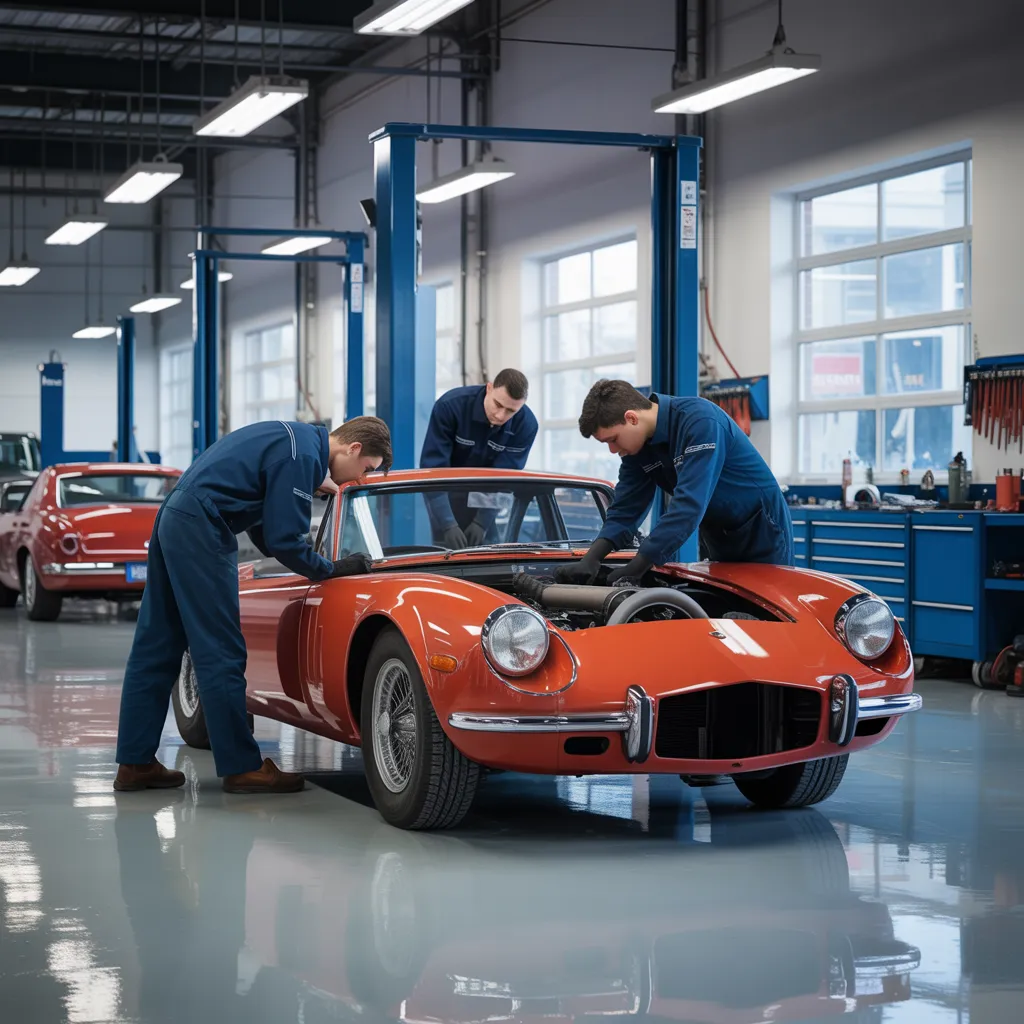
Maintaining a automobile is crucial for durability and efficiency. Key tasks like regular tire checks, fluid inspections, and battery upkeep form the foundation of effective care. Understanding when to change engine oil and how to monitor brakes is equally crucial. Seasonal adjustments can further improve vehicle dependability. Discovering the finer points of these maintenance practices can prevent costly repairs down the line. What steps can drivers take to guarantee their vehicles remain in peak condition?
Essential Maintenance Duties to Maintain Your Vehicle Healthy
Maintaining a vehicle in optimal state requires routine upkeep that every owner should prioritize. These essential tasks include checking tire pressure and tread depth, which ensures peak performance and protection. Owners should regularly inspect and replace air filters to maintain engine performance. Moreover, tracking fluid amounts—such as coolant, brake fluid, and transmission fluid—is essential for avoiding future problems.
Routine inspections of the battery terminals and connections help prevent starting troubles. Wiper blades should be checked and replaced as needed for clear visibility during adverse weather. In addition, maintaining the vehicle's exterior through regular washes and waxing shields the paint and prevents rust.
When and Why to Refresh Engine Oil
What is the proper time to replace engine oil, and why is it vital for a vehicle’s longevity? Changing oil regularly is important to keep engine performance and extend vehicle life. Most automotive experts recommend changing the oil every 3,000 to 7,500 miles, depending on the type of oil used and driving conditions. Elements such as frequent short journeys, extreme weather conditions, or towing heavy weights might necessitate useful guide more frequent oil replacements.
Engine oil lubricates moving parts, decreases friction, and helps disperse heat. Over time, oil degrades and accumulates contaminants, which can lead to engine wear and reduced efficiency. Neglecting oil changes can result in costly repairs or even engine failure. By adhering to a regular oil change schedule, vehicle owners can ensure peak performance and longevity, ultimately saving time and money in the long run.
Tire Maintenance: Critical Recommendations for Checking Pressure and Tire Rotation
Tire upkeep is vital for dependable vehicle performance and safety. Preserving proper tire pressure and maintaining a regular rotation schedule can substantially extend tire lifespan and improve fuel efficiency. Recognizing these important practices is important for every vehicle owner.
Correct Tire Air Pressure Service
Maintaining the correct tire pressure plays a important role in vehicle safety and performance. Having insufficiently inflated tires can result in reduced fuel economy, increased tire wear, and a higher chance of blowouts. On the other hand, over-inflated tires may cause a bumpy ride and lower traction. Drivers must check the tire pressure at least monthly and before extended trips to maintain the best pressure. By employing a trustworthy tire pressure gauge, they can match the readings to recommended levels by the manufacturer, often listed on a sticker inside the driver’s door or in the owner’s manual. Moreover, changes in temperature can affect tire pressure, so seasonal adjustments may be needed. Routine tire pressure monitoring increases safety and helps extend the tires’ lifespan.
Normal Tire Turning Interval
A consistent tire rotation schedule is essential for guaranteeing even tire wear and prolonging the lifespan of the vehicle's tires. The usual guideline is to rotate tires every 5,000 to 7,500 miles, however exact guidelines may differ depending on the vehicle and tire type. By shifting the tires from one position to another, drivers can help reduce imbalances caused by factors such as weight distribution and driving habits. Not only does this practice improve traction and handling, but it also lowers the chances of premature tire failure. Additionally, regular rotations can boost fuel efficiency, contributing to overall vehicle performance. A consistent rotation schedule is a simple yet efficient way to preserve tire health and ensure a safer driving experience.
What You Should Discover About Your Brakes?
Brakes are among the most critical parts of any vehicle, delivering safety and control on the road. Knowing how brakes operate is important for appropriate maintenance. Most vehicles use disc brakes, which consist of a rotor and caliper, and drum brakes, which feature a brake drum and shoes. Regular inspections are important to check for wear and tear, as brake pads typically have a lifespan of 30,000 to 70,000 miles.
Brake issues can present as squeaking, grinding, or a soft brake pedal. These indicators might suggest worn pads or low brake fluid levels. Drivers should also pay attention to any pulling to one side when braking, which could indicate uneven wear.
Standard servicing, including replacing tired elements and ensuring the brake system is free of air, is vital for peak performance. Focusing on brake care strengthens vehicle dependability and sustains the lifespan of the braking system.
Vehicle Repair Tips: Assessing Fluid Levels
Vehicle upkeep necessitates reviewing fluid conditions for ideal performance. Engine oil, coolant, brake fluid, and transmission fluid represent essential fluids that each demand regular monitoring. Noticing the warnings of low levels can prevent significant damage and hefty repair bills.
Essential Fluid Types
While operating a vehicle, the performance of a vehicle often relies upon the proper maintenance of essential fluids. Important fluid categories include engine oil, coolant, transmission fluid, brake fluid, and power steering fluid. Engine oil coats internal components, reducing friction and wear, while coolant avoids overheating by regulating engine temperature. Transmission fluid guarantees smooth gear shifts, protecting the transmission from damage. Brake fluid is critical for safe stopping, as it transfers force from the brake pedal to the brake components. Finally, power steering fluid facilitates easier steering, enhancing driver control. Consistently inspecting and servicing these fluids is vital for peak vehicle performance and durability, ultimately adding to a safer driving experience.
Proposed Assessment Frequency
To guarantee peak vehicle performance, regularly checking fluid levels is crucial. It is advisable to check engine oil, coolant, brake fluid, transmission fluid, and power steering fluid at least once a month. For vehicles subjected to severe driving conditions, such as frequent stop-and-go traffic or extreme temperatures, additional inspections may be necessary. Additionally, it is wise to examine fluid levels before starting long trips or after extensive driving. Regular upkeep plans often recommend fluid checks during oil changes, which typically occur every 3,000 to 7,500 miles, depending on the vehicle. By following these recommended frequencies, vehicle owners can help guarantee their cars operate efficiently and reduce the risk of costly repairs.
Signs of Low Levels
Recognizing the signs of low fluid levels is essential for preserving vehicle performance. Drivers should be attentive for warning signs such as warning lights on the dashboard, which often suggest insufficient oil, coolant, or brake fluid. Strange sounds, such as grinding or whining, can also indicate low transmission or power steering fluid. Additionally, a marked reduction in braking effectiveness may indicate low brake fluid. Drivers should also look for fluid leaks under the vehicle, which can reveal various issues. Finally, an motor that runs hotter than normal might suggest insufficient coolant. Consistently checking these signs ensures that fluid amounts remain adequate, ultimately extending the vehicle's lifespan and improving protection on the roadway.
Servicing and Testing Your Car Power Cell: Crucial Tips
A properly maintained car battery is vital for automotive functionality and extended lifespan. Periodic checks and evaluation can prevent unforeseen breakdowns. First, drivers should check the battery's terminals for corrosion, which can impede power current. Scrubbing the terminals with a baking soda and water blend can repair electrical connection.
Next, checking the battery's voltage is essential. A multimeter can identify if the voltage is within the optimal range of 12.4 to 12.7 volts. If the voltage is reduced, it may indicate the need for charging or replacement.
In addition, ensuring that the battery is securely fastened helps prevent vibrations that can harm it. Verifying the fluid levels in non-maintenance-free batteries is also vital, as low amounts can cause excessive heat generation.
Finally, consistent expert evaluations can identify potential problems early, guaranteeing the battery remains in optimal shape for reliable vehicle operation.
Seasonal Vehicle Maintenance Tips
Regular seasonal servicing of vehicles is necessary for ensuring superior operation throughout the year. As each season brings varied demands, motorists should customize their maintenance routines accordingly.
During winter, reviewing antifreeze concentrations and evaluating the battery are crucial. Ensuring tires have adequate tread and proper inflation enhances traction on icy roads. Spring service should emphasize fluid levels, wiper blades, and the air conditioning system, getting the vehicle for warmer weather.
During summer, it's crucial to check coolant levels and ensure the radiator is functioning efficiently to avoid overheating. Fall upkeep can involve examining brakes, lights, and replacing the cabin air filter to improve air quality as temperatures drop.
Frequently Posed Topics
How Often Should I Replace My Windshield Wipers?
Windshield wipers usually require replacement every six to twelve months, determined by application and environmental conditions. Routine assessment for damage and wear guarantees ideal visibility and safety during adverse weather conditions.
What Should I Do if My Engine Warning Light Activates?
If the check engine light turns on, one should first inspect the gas cap for a secure fit. If the light continues, consulting a mechanic for diagnostic testing is advisable to address possible problems affecting vehicle operation.
Is Aftermarket Parts Dependability Comparable to OEM Parts?
Aftermarket components can differ substantially in reliability and quality when measured against OEM components. While some aftermarket alternatives may work effectively, others might fail to match the same level of quality, making careful research and thoughtful selection essential for buyers.
How Can I Enhance My Vehicle's Fuel Efficiency?
To improve gas mileage, maintaining proper tire pressure, arranging routine engine tune-ups, utilizing premium fuel, and decreasing excess weight can help. Additionally, adopting gentler driving habits and reducing idling time contributes greatly to improved mileage.
What Shows It's Time to Update Your Car's Timing Chain?
A car's timing belt should be replaced every 60,000 to 100,000 miles, based on the manufacturer's recommendations. Indicators of deterioration, such as cracks or frayed edges, also indicate it's necessary to replace it.